
How the Pandemic & Remote Work Changed Fitness Habits: Rise of Home Workouts and Cycling
When offices closed and traffic jams suddenly disappeared, many people across Africa swapped crowded buses and matatus for the short journey from bed to laptop. At first, it felt like a small victory: no more rush hour, no more running for the last taxi. But after a few months of remote work, something became clear – the body was moving less, even while the mind was working harder than ever. Out of that strange mix of freedom and fatigue came a new wave of habits: living-room workouts, yoga between Zoom calls, and evening cycling to clear a head full of notifications.
From commutes to chairs: the movement we lost
Before the pandemic, much of the daily exercise was accidental. Walking to the bus stop in Addis Ababa, climbing stairs in a Nairobi office block, crossing the street markets in Accra – all of that counted as quiet cardio. Remote work removed much of this “background movement”. Suddenly, people were spending 8–10 hours a day sitting in front of a screen, with the only trip being from chair to fridge.
More screen time also meant more mental stress. Messages, calls, deadlines and bad news often arrived in one big digital wave. The body didn’t get the natural reset of a walk home from work, or a quick chat with colleagues. That’s why many remote workers began to feel permanently “on”, even when the laptop lid was closed. The answer for many people wasn’t found in a pill or an energy drink – it was in moving again.
Living-room gyms: home workouts and yoga take over
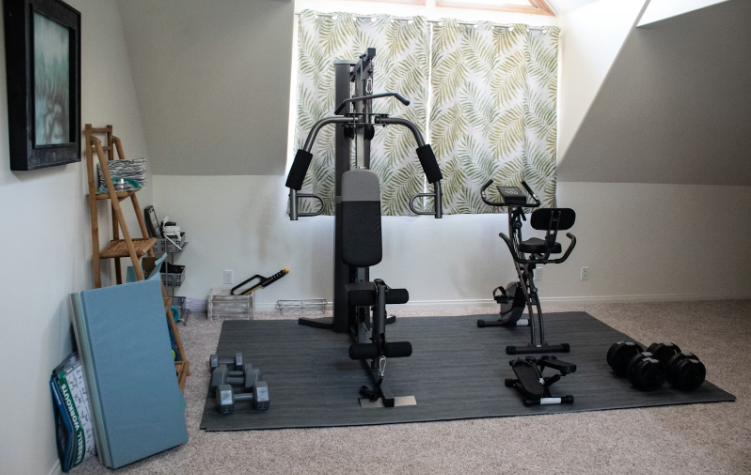
Gyms were among the first places to close and the last to reopen. In cities where memberships were already expensive, home workouts suddenly looked like the most realistic option. What started as a few push-ups next to the couch turned into full-scale living-room gyms: water bottles as dumbbells, chairs as dip bars, and yoga mats rolled out in front of the TV.
YouTube trainers from Lagos to London started gaining African audiences, and local influencers joined in with their own bodyweight routines filmed on phones. Yoga, which once seemed to be found only in boutique studios, became more common in apartments from Kigali to Johannesburg. People discovered that 20 minutes of stretching and breathing after work could do more for their back and mood than scrolling through social media for an hour.
The best part of home workouts is flexibility. You don’t need to look “gym-ready”; you just press play, move for a while, and stop when your kids, neighbours or Wi-Fi demand your attention again.
Cycling: the new way to escape the screen
As cities slowly reopened, a different trend rolled onto the streets: bikes. Cycling offered exactly what remote work took away – fresh air, sunlight, and a sense of motion. In some African capitals, more people began using bicycles to avoid crowded public transport, while others rode in the evenings simply to loosen stiff shoulders and wake up sleepy legs.
Cycling also fits well with unpredictable schedules. If your remote job allows you to finish at 5 p.m. some days and 7 p.m. on others, you can still squeeze in a 30-minute ride around your neighbourhood. There’s no opening or closing time; the road is the gym. Add a simple helmet, some lights, and a bit of common sense, and you have a low-cost way to stay fit, burn stress, and see your own city from new angles.
Balancing online work, online fun and sports betting
Remote work didn’t just move our jobs online; it also pulled more of our hobbies onto screens. Football streams, NBA highlights, esports tournaments and odds updates now live on the same devices we use for spreadsheets and video calls. For some people, that means evenings where work tabs close and sports tabs open – and with them, small bets and prediction games.
On busy match days, it’s easy to sit for hours watching line-ups, statistics and odds. Some remote workers keep the balance by building a simple rule: no streaming without some movement. That might look like squats during half-time, stretching during pre-match analysis, or a quick set of push-ups before checking the odds on their favourite markets. A few fans even open melbet chess betting on another tab when they want a mental contest to go with their physical training, turning quiet moments between sets or yoga flows into short, strategic sports betting sessions rather than pure scrolling.
The key is not to let the screen win twice – once during work, and once during leisure. If betting and watching sports are part of your evening, pairing them with movement keeps the body in the conversation.
Building an at-home fitness habit that actually sticks
Good intentions are easy. Sticking to them when the Wi-Fi is slow, the boss is demanding, and the city power just flickered – that’s harder. A few simple principles can make home fitness realistic instead of fantasy:
- Think small, not heroic. You don’t need a perfect one-hour routine. Ten minutes of movement, three times a day, can be more powerful than one big workout you only manage on Sundays.
- Attach workouts to existing habits. Do stretches after you make your morning coffee, squats while you wait for a kettle to boil, or a short yoga flow just after logging out of work.
- Use what you have. Stairs for cardio, towels for resistance, a wall for balance exercises. Most bodies can do more with everyday objects than we think.
- Plan a weekly “movement budget”. Instead of thinking “I’ll work out every day,” decide on a certain total: maybe 150 minutes a week. Then split it between walking, cycling, bodyweight exercises and stretching, depending on your schedule.
For some people, motivation comes from tracking progress in apps or joining online communities. For others, it’s about linking fitness to their favourite sports culture. A fan in Addis Ababa might combine watching local and European football with a personal rule: for every match they follow, they owe themselves a short workout before or after the game.
On nights when there’s a big game and friends are chatting about odds and predictions, that same fan might check lines, promos and sports betting features through Melbet Ethiopia while making sure a quick home workout is already done, so the fun of following markets and sports betting doesn’t come at the cost of yet another evening spent sitting.
Keeping the best parts of the new normal
The pandemic and remote work exposed a tough truth: our modern lives can easily turn into long hours of sitting, even when we’re “busy”. But the same period also showed how creative people can be. Home workouts grew from an emergency solution to a permanent habit. Yoga moved from the studio to the smartphone. Cycling shifted from childhood memory to adult necessity and joy.
Now, as offices reopen in some places and hybrid work becomes the new normal, we don’t have to delete the good habits we built. We can keep the bike rides, the living-room push-ups, the quiet morning stretches, and the small, smart rituals that protect our health in a digital world.
The real win is not choosing between online life and active life, but learning to let them support each other. If your job, your sports fandom, and even your sports betting all live on screens, your body needs those regular moments away from them – on a bike, on a mat, or just on your feet. That balance is the real long-term fitness trend worth keeping long after the pandemic headlines have disappeared.