
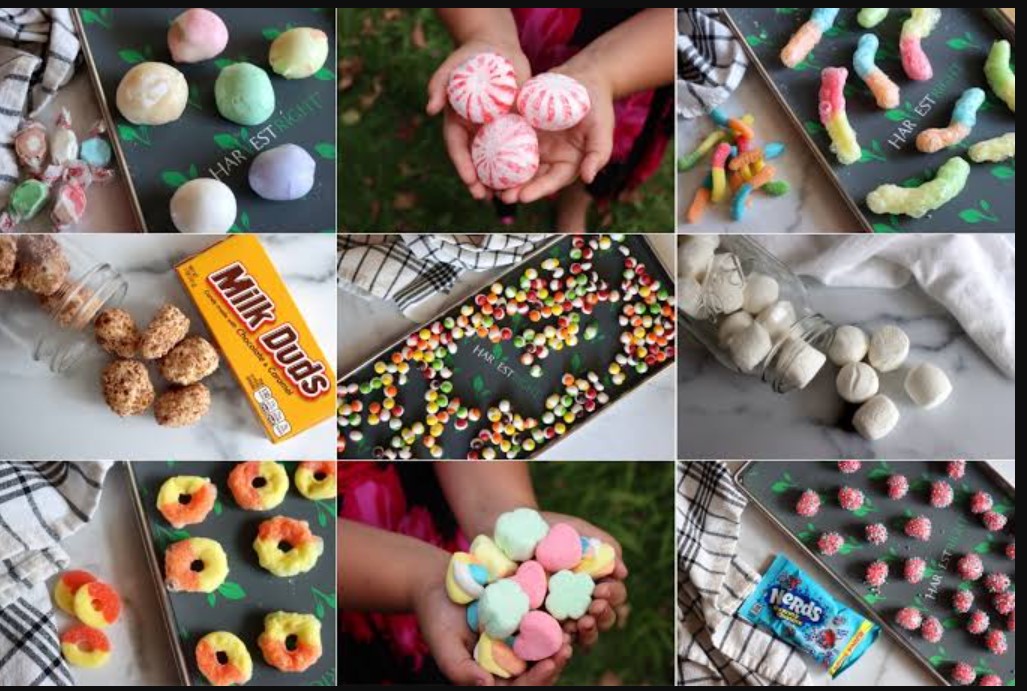
Walk into a sweet shop today and there is a good chance you will find a shelf of bright, crunchy, freeze-dried treats near the till. For retailers the product is attractive: it looks different, it photographs well, it keeps for a long time and it carries a healthy margin. The hard part is not selling it but sourcing it well. A shop that buys from the wrong place can end up with soft stock, broken pieces or flavours that do not move, while a shop that buys well gets steady quality and customers who come back for more. This guide looks at how retailers find the right source, what to check before ordering, and how to keep the range fresh.
What a Supplier Actually Does
Delivery matters as much as drying. Freeze-dried pieces are light but fragile, so boxes need proper cushioning and careful handling. A supplier who packs loosely or uses thin cartons will cost you money in broken stock, however good the candy itself may be. Ask how orders are packed, how long delivery usually takes, and what happens if a box arrives damaged. A partner who answers those questions clearly is one who has thought about the whole journey from their workshop to your shelf.
Choosing the Right Partner
When you compare possible partners, start with a small trial order rather than a large commitment. A Freeze Dried Candy Supplier who is confident in their product will usually be happy to send samples, and those samples tell you more than any brochure. Open several bags and check the pieces for a clean snap, a dry centre and bright, even colour. Taste more than one flavour, and leave a bag open for a day to see how quickly the pieces soften in normal air — that tells you how well the stock will hold up once it is on display.
Price matters, but the cheapest quote is rarely the best deal once breakage, soft stock and slow delivery are counted. Compare what is included: bag size, flavour range, printed or plain packaging, delivery charges and minimum order size. A slightly higher price from a partner who packs well and delivers on time often works out cheaper in the long run. It is also worth checking whether they can supply mixed selections, since a mixed bag lets new customers try several flavours at once and often sells faster than a single-flavour option.
Building a Range That Sells
A good range starts with a few proven favourites rather than twenty flavours nobody recognises. Fruity and sour varieties tend to sell first, because their flavours come through strongly after drying, while mixed bags give hesitant buyers a low-risk way to try the product. Place the brightest bags where customers can see them — near the till, at eye level, or in a small display near the entrance — and keep the bags upright so the pieces are visible. A small tasting bowl on a quiet afternoon can turn curious browsers into buyers, especially if you are introducing the product for the first time.
Rotate the range with the seasons. Gift boxes and mixed selections do well around holidays and celebrations, while single-flavour bags suit regular customers who already know what they like. Watch which flavours sell out and which ones linger, and adjust your next order accordingly rather than reordering the same mix out of habit. If a flavour stops moving, swap it for something new and use the shelf space for a better seller. A range that changes a little with each order stays interesting, and interesting shelves bring people back.
Storage, Display and Shelf Life
Freeze-dried sweets keep well, but only if they are kept dry. Store spare stock in a cool, dry place away from direct sunlight, and keep the bags sealed until they go on display. Once a bag is opened, humidity is the enemy: pieces left in open air will soften within a day or two, so open display bowls should be small and refilled often rather than left out in large quantities. If your shop is warm or humid, sealed bags on a shelf will hold up far better than open bowls.
Check date marks when stock arrives and rotate older bags to the front, just as you would with any other sweet. Damaged or puffy bags should be set aside, since a broken seal lets moisture in and spoils the crunch. Keep a note of which batches arrived when, so you can spot a problem batch quickly if a customer complains. These small habits cost nothing and protect both the product and your reputation.
Frequently Asked Questions
How much stock should a small shop order first?
Start small, with a trial order covering a few flavours and a mixed option. That lets you test quality and see what your customers actually buy before you commit to larger quantities. You can always reorder quickly once you know which flavours move fastest.
Can I sell freeze-dried sweets online as well as in store?
Yes, they travel well because they are light and do not need refrigeration, but they need careful packing with cushioning and a sealed, moisture-proof bag.
What should I do if a batch arrives soft or broken?
Contact the supplier straight away with photos and the batch details, and keep the affected bags aside rather than putting them on sale. A good partner will want to know about the problem and will usually replace or credit the damaged stock.
Conclusion
Sourcing freeze-dried sweets well comes down to three things: a partner who dries and packs carefully, a trial order that proves the quality, and a small, well-chosen range that you adjust as you learn what your customers like. Buy a little first, check the crunch and the seal, display the brightest bags where people can see them, and keep your spare stock cool and dry. Get those basics right and the product almost sells itself — a bright, crunchy treat that turns a casual browser into a returning customer.