
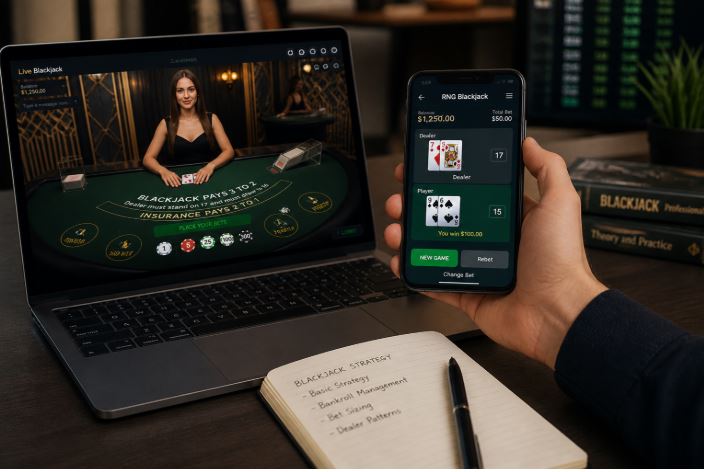
Live and RNG Blackjack Compared
Still a favourite at casinos everywhere, blackjack draws crowds online through two styles. One streams real dealers, while the other runs on software that shuffles digitally. Same goal in both – get close to 21 without going over. Yet one feels like sitting at a table, the other more like tapping buttons alone. Some choose based on pace, others by what they trust seeing. Each version suits different moods, different moments.
Most people get introduced to blackjack via big sites like 1xbet, showing live games next to digital ones. Preference usually comes down to speed versus connection. Streaming real croupiers happens from studio setups in live formats. Instead of cards shuffled by hand, algorithm-based systems handle outcomes in computer-run versions.
That year saw global online casino earnings climb past £90 billion, data shows. Much of it arrived through blackjack along with various table-style options. With better tech emerging, platforms adjust how each version works to keep things honest and clear. Looking at the differences means watching how they operate plus what players actually feel during play.
How Games Work and Whether They Are Fair
Exactly the same odds shape both versions. In regular blackjack, the casino’s advantage sits anywhere from half a percent up to two, shaped by specific rule choices. What sets them apart comes down to how cards are dealt and shown.
One thing after another, RNG blackjack runs on approved math rules checked by outside experts. Every round stands alone, untouched by what came before. Picture a real table – live blackjack plays out with actual cards, dealt by people under watchful lenses. Into that mix, shufflers feed unpredictability back into each deck.
Key mechanical distinctions include:
- Speed of hand resolution
- How many card sets are being used
- Transparency of card handling
- Real-time interaction with dealer
Chance matters less than what people feel. Perception shifts based on hidden cues instead of real odds.
Pace and Accessibility
How fast things move shapes how these games feel. When you pick at an RNG table, answers pop up right away. Real dealers take actual time to hand out cards, so everything drags a little. The pace shifts because of that.
One hand after another keeps some clicking through 1xbet’s RNG games fast. Because speed matters to them, the pace fits just right. When live dealers step in, everything slows – bets lock at set times. Rounds unfold one by one, never rushed.
Most times, getting in matters just as much as what happens once you’re there. One version keeps going without a hitch, even when internet drags behind. The other stumbles if signals dip too low – clear visuals need steady flow. Phones catch up slowly, no matter which kind shows up.
Social Interaction and Atmosphere
Something about the air changes how people choose. Streaming brings real casino moments into live blackjack play. A dealer says hello, answers messages on screen. The room feels different when someone talks back.
Out there among big gambling setups – like the one seen on 1xbet – live games bring people together almost like a crowd at a table. Cards get dealt right before your eyes, no delays. Because of that front-row feel, some players find it easier to believe what they see. Seeing someone actually do the dealing helps when you’re unsure about machines.
Alone at the screen, RNG blackjack misses shared laughs. Quiet clicks replace chatter, each hand dealt fast. Privacy matters here, speed too. Certain folks prefer it that way
Random Number Generators
RNG systems rely on tricky math rules to function. Every so often, outside groups step in to verify everything stays fair. Instead of real decks, what comes up ties back to digital odds built into the code.
Speed matters most when playing fast rounds. Reports from 1xbet and similar platforms appear regularly showing rules are followed. Fewer mistakes happen because machines handle tasks once done by people. Players who value quick results tend to trust these steady outcomes more.
Live streaming infrastructure
From behind the scenes, live blackjack runs like a TV show with cameras everywhere. Every little move of the cards shows up sharp and clear through high-quality video. Right after cards are placed, special tech sees them immediately. Each detail gets recorded fast without waiting.
Midway through a session, players shift from one format to another inside the 1xbet app, testing response times against ease of control. Because mobile design supports quick shifts, movement across features feels fluid. When live streams run, strong data handling becomes essential behind the scenes.
Key technological contrasts include:
- Algorithm-based randomness versus physical decks
- Automated decision processing versus dealer moderation
- Instant reshuffling versus shoe depletion cycles
- Data tracking through software integration
One way or another, every setup keeps play steady. Some rely on backup parts while others use constant checks. Stability shows up in various shapes depending on design choices made early on.
Right Experience Choice
Some days call for quick spins, others for longer moments at the table. Depending on mindset, one might lean toward fast outcomes driven by chance. A different person could find rhythm in real-time moves, taking time between choices. Pacing shifts based on what feels right in the moment.
Slower play happens at live tables because breaks come naturally between games. How fast someone deals affects how often RNG rounds reset. Budget control shifts depending on pace. Pauses change when people place bets.
One way works just as fairly as the other, with similar odds built in. When you look at speed, engagement, and tools used, differences start to show. The main roles have shifted.