
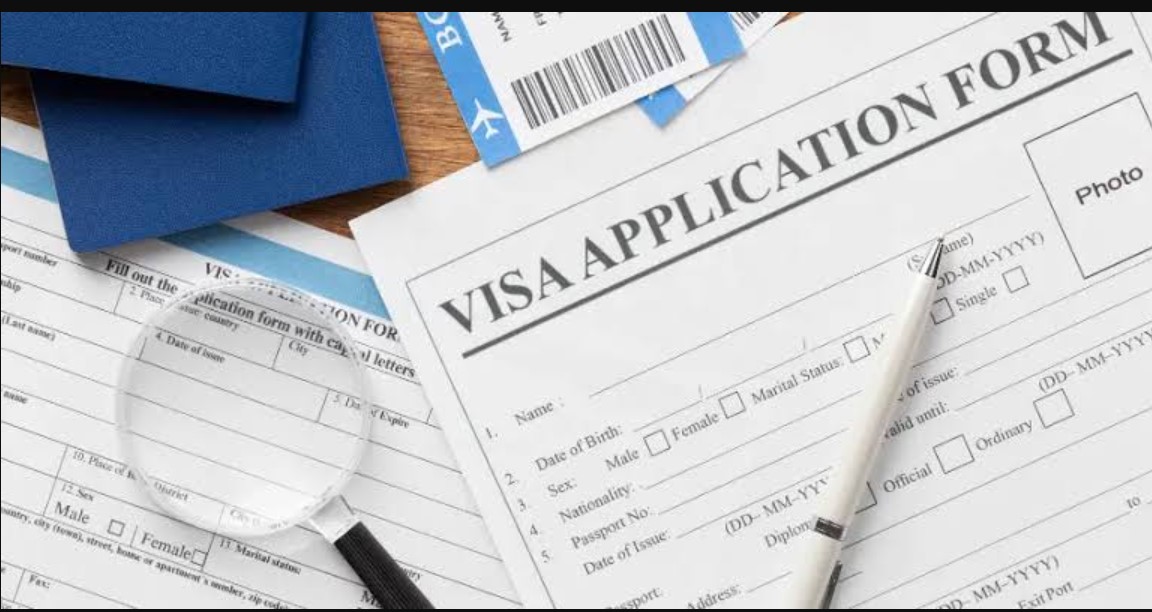
Moving to Dubai, visiting family, accepting a job or starting a business often begins with one important question: which visa do you need, and how do you apply for it?
The UAE offers different visa categories for people with different purposes. A tourist visiting for a short holiday follows a different process from an employee joining a company, an investor establishing a business or a family member moving to the country.
The application process also depends on the applicant’s nationality, eligibility, sponsor and the type of permission being requested. Choosing the wrong category or submitting incomplete paperwork can lead to delays and additional steps.
For people and companies looking for Pro Services in Dubai, understanding the visa process is an important part of managing immigration and business administration.
This guide explains the main visa options, the documents applicants may need and the practical steps involved in applying for a UAE visa.
Understanding the Different UAE Visa Categories
Before starting an application, it is important to understand why you are travelling to or staying in the UAE.
The country has several immigration categories, each designed for a particular purpose. Some allow short visits, while others provide residence for eligible employees, investors, family members and other qualifying applicants.
Tourist and Visit Visas
Tourist and visit visas are intended for people entering the UAE for temporary stays. They may be used for holidays, visiting relatives, meetings or other permitted short-term activities.
The permitted stay and entry conditions depend on the visa type and the applicant’s nationality. Some nationalities may qualify for visa-free entry or a visa on arrival, while others need to arrange permission before travelling.
A visit visa should not be treated as permission to work in the UAE.
Employment Residence Visas
People accepting employment in the UAE generally need the appropriate work authorisation and residence arrangements.
The employer usually plays an important role in the process by arranging the required employment-related procedures. Applicants may need to provide identification, photographs, educational or professional documents where applicable, and complete medical fitness and identity requirements.
Family Residence Visas
Eligible UAE residents may be able to sponsor family members, subject to the applicable conditions.
The sponsor may need to provide proof of residence, income or accommodation, along with documents establishing the family relationship. Requirements can vary depending on the relationship and the circumstances of the application.
Investor and Partner Visas
Entrepreneurs and business owners may qualify for residence arrangements connected with their investment or company participation.
The relevant documents depend on the company’s legal structure, licensing authority and the applicant’s role. Company records and other evidence may be requested.
Golden Visa
The UAE Golden Visa provides long-term residence to people who meet specific eligibility criteria.
Eligible categories may include certain investors, entrepreneurs, professionals, exceptional talents and other qualifying groups. Each category has its own conditions and evidence requirements.
Applicants should check the current criteria rather than assume that one salary level, qualification or investment amount applies to everyone.
Which Dubai Visa Is Right for You?
The right visa depends on what you plan to do in the UAE.
The table provides a general overview, not a confirmation of individual eligibility.
For example, someone planning to work in Dubai should not apply for a tourist visa simply because it is easier to arrange. Similarly, an entrepreneur should understand the relationship between company licensing, ownership documents and the relevant residence category before submitting an application.
Documents Commonly Required for a Visa Application
The document checklist varies according to the visa category. However, applicants may be asked to provide some of the following:
-
A valid passport.
-
Recent passport-size photographs.
-
Completed application information.
-
Existing UAE visa or entry details, where relevant.
-
Sponsor’s identification and residence information, if applicable.
-
Employment or company-related documents.
-
Proof of family relationship for dependent applications.
-
Educational or professional documents for categories that require them.
-
Medical fitness results for applicable residence procedures.
-
Additional approvals or supporting evidence where requested.
Documents should be clear, accurate and consistent. Names, passport numbers and dates should match the applicant’s official records.
Some documents issued outside the UAE may require translation, attestation or other authentication before they can be accepted. Applicants should confirm the requirements for their specific case before arranging these steps.
How to Apply for a Visa in Dubai
Although the exact process varies, most applications follow a series of practical stages.
Step 1: Identify the Correct Visa Category
Start by confirming the reason for your stay. Determine whether you need a visit visa, employment residence, family sponsorship, investor residence or another category.
Check the eligibility requirements before preparing the application.
Step 2: Prepare the Required Documents
Collect the passport, photographs and supporting paperwork relevant to your visa category.
If an employer or family member is sponsoring the application, coordinate with them to obtain the necessary information and documents.
Review everything carefully. Incorrect personal details or missing documents can result in requests for corrections.
Step 3: Submit Through the Appropriate Channel
Visa applications must be submitted through the relevant authorised channel.
Depending on the application and location, the process may involve the Federal Authority for Identity, Citizenship, Customs and Port Security (ICP), the General Directorate of Residency and Foreigners Affairs in Dubai (GDRFA Dubai), an authorised service centre or another designated channel.
The correct route depends on the visa category and the responsible authority.
Step 4: Complete Medical and Identity Procedures
Applicants for residence visas generally need to complete the applicable medical fitness examination and Emirates ID procedures.
The requirements and sequence depend on the residence category and the instructions provided during the application.
Step 5: Complete the Remaining Formalities
After the required checks and approvals, the remaining residence formalities are completed through the relevant process.
Applicants should review the final visa or residence details and keep copies of their records.
Visa Applications for Business Owners and Investors
For entrepreneurs, immigration planning is closely connected with business registration.
Someone planning business setup in Dubai should consider the intended business activity, ownership structure, licensing jurisdiction and the residence options available to them.
A company licence and a residence visa serve different purposes. Registering a business does not automatically mean that every owner, partner or employee receives a visa without further procedures.
Business owners may need to coordinate:
-
Company registration and licensing.
-
Establishment or immigration-related records, where applicable.
-
Investor or partner residence applications.
-
Employee work authorisation.
-
Medical fitness and Emirates ID procedures.
-
Family sponsorship, if eligible.
-
Renewal and ongoing compliance requirements.
This is why business setup services in Dubai often involve more than company registration alone. Entrepreneurs need to consider how the company’s licensing and immigration arrangements will work together.
People comparing business setup consultants in Dubai should ask whether the provider can explain the full administrative process, including the limits of its services and which approvals must come from the relevant authorities.
The same planning matters for companies considering business setup services in the UAE outside Dubai. Licensing and immigration procedures can differ between emirates and jurisdictions. For example, an Abu Dhabi trade licence follows the requirements of the relevant Abu Dhabi licensing authority rather than Dubai’s licensing framework.
Common Visa Application Mistakes
Many application problems are avoidable. A careful review before submission can reduce the chance of unnecessary corrections.
Choosing the Wrong Visa Category
An applicant may focus on convenience rather than the actual purpose of their stay. This can create problems later, particularly when the person intends to work, establish a business or sponsor family members.
Submitting Incomplete Documents
Missing photographs, unclear passport copies or incomplete sponsor information can interrupt the process.
Use the checklist for the exact visa category instead of relying on a general document list.
Ignoring Passport Validity
Passport validity requirements should be checked before applying or travelling. An applicant should not assume that a passport close to expiry will be accepted.
Overlooking Attestation or Translation
Some applications require supporting documents issued abroad. Depending on the document and its intended use, translation or authentication may be necessary.
Missing Renewal Dates
Residence permissions have validity periods. Applicants and sponsors should monitor expiry dates and begin the renewal process within the applicable timeframe.
Assuming Every Application Has the Same Processing Time
Processing times can vary according to the category, application details, checks and responsible authority. Be cautious of anyone promising guaranteed approval or a fixed timeline without reviewing the case.
How Professional Support Can Help
Visa procedures involve several administrative steps, and the process can become difficult when an applicant is unfamiliar with the requirements.
Professional support may help individuals and businesses understand the relevant category, organise paperwork and coordinate application-related tasks.
Depending on the agreed service, assistance may include:
-
Reviewing the applicant’s document checklist.
-
Helping organise supporting paperwork.
-
Coordinating employment or investor-related administration.
-
Assisting with family sponsorship documentation.
-
Arranging relevant application support.
-
Monitoring renewal requirements.
-
Coordinating selected company and immigration procedures.
When choosing a provider, look for clear explanations, transparent service charges and an understanding of the relevant process. Ask what is included and whether any government fees, medical costs or other expenses are separate.
Professional assistance can make administration easier, but it cannot replace eligibility requirements or guarantee a visa decision. Approval remains subject to the responsible authority.
A quick check before you apply
Before you start, check the entry rules for your passport and decide which category matches your plans. Open the official service page and use its document list, not a generic list copied from another website. Submit through the correct authority or authorised provider, then save the reference so you can follow the application. If a requirement is unclear, ask the authority or provider before sending your documents.
For related support, you can visit business setup in dubai or learn more about Golden Visa. These sites can explain available support, but the relevant UAE authority decides the application. You can also get expert support with Immigration services and Trade License Services in the UAE. Contact our team for help with visa applications, licence renewals and business documentation.
Frequently Asked Questions
1. How to apply for a visa in Dubai?
First, identify the correct visa category and check its eligibility requirements. Prepare the required documents, submit the application through the appropriate authorised channel and complete any additional procedures requested.
2. Can I apply for a Dubai visa without a sponsor?
Some visa categories allow eligible applicants to apply independently, while others require an employer, family member or other qualifying sponsor. The answer depends on the visa type.
3. Can I work in Dubai on a tourist visa?
A tourist or visit visa does not generally authorise employment. People intending to work must obtain the appropriate work authorisation and meet the applicable residence requirements.
4. Can business owners apply for a UAE residence visa?
Eligible business owners and investors may qualify for an investor or partner residence route, subject to the relevant licensing, ownership and immigration requirements.
5. Is the Golden Visa available to all UAE residents?
No. The Golden Visa is intended for applicants who meet specific eligibility criteria. Requirements differ by category, so applicants should check the conditions that apply to their professional, investment or other qualifying circumstances.