
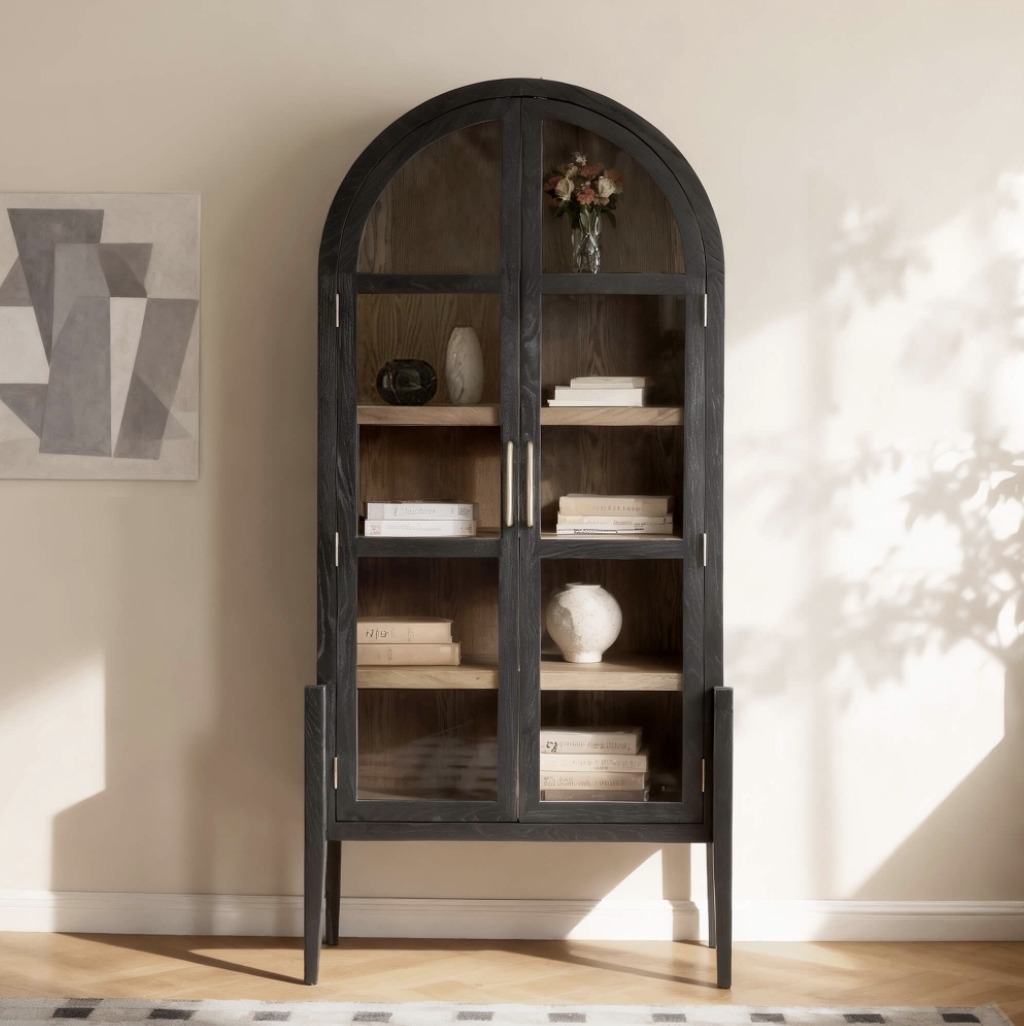
Interior designers constantly navigate the tension between sourcing furniture that feels distinctive and finding pieces that function seamlessly within contemporary spaces. Clients want rooms that tell a story, yet the market is saturated with mass-produced options that lack soul. Vintage style sideboards offer a compelling answer to this challenge—delivering character, superior craftsmanship, and practical storage in a single statement piece. Whether anchoring a dining room, organizing a living space, or adding warmth to a minimalist scheme, these pieces bridge eras with remarkable ease. This guide explores the different types of vintage sideboards available to design professionals, from buffet configurations to compact coffee sideboards, and examines how each can enhance modern interiors. Beyond inspiration, you’ll find concrete strategies for selecting, sourcing, and integrating these pieces into client projects, along with solutions for common obstacles like spatial limitations and stylistic cohesion. Consider this your resourceful companion for making vintage sideboards work harder in every design you deliver.
The Rise of Vintage Style Sideboards in Contemporary Interiors
A vintage style sideboard is more than a storage unit—it’s a design artifact that carries the aesthetic DNA of its era while serving thoroughly modern purposes. These pieces draw from decades of furniture-making tradition, spanning Art Deco geometries, mid-century clean lines, and ornate Victorian craftsmanship. What unites them is an approach to construction that prioritizes solid wood joinery, hand-finished surfaces, and proportions developed through generations of refinement. In contemporary interiors, the sideboard has resurged precisely because it answers three demands simultaneously. First, uniqueness: in a landscape dominated by flat-pack uniformity, a vintage piece guarantees that no two client spaces look identical. Second, craftsmanship: dovetail joints, hand-turned legs, and aged brass hardware communicate quality that discerning clients immediately recognize. Third, sustainability: repurposing existing furniture aligns with the growing expectation that design professionals consider environmental impact. The trend isn’t merely nostalgic. Designers are discovering that vintage sideboards function as visual anchors, grounding open-plan layouts and providing focal points that purely contemporary furniture often fails to deliver. Their substantial presence creates hierarchy in a room, while their patina introduces warmth that balances cooler modern materials like concrete, glass, and steel.
What Makes a Sideboard Truly Vintage?
Authenticity comes down to materials, construction methods, and the passage of time. Genuine vintage sideboards typically feature solid hardwoods—walnut, teak, mahogany, or oak—rather than veneered particleboard. Look for hand-cut joinery, original hardware with visible wear patterns, and finishes that show subtle inconsistencies from hand application. Design era matters too: a 1960s Danish teak sideboard differs fundamentally from a 1920s Art Deco lacquered piece, yet both qualify as vintage. Patina—the natural aging of wood grain, slight oxidation on metal pulls, and softened edges—cannot be convincingly replicated and serves as the clearest marker of authenticity.
Exploring Key Types: Sideboard Buffet, Multi-Section, and Coffee Sideboards
Not all vintage sideboards serve the same purpose, and understanding the distinctions between configurations allows designers to match the right piece to the right project. Three categories dominate the landscape, each offering unique advantages depending on room function, client lifestyle, and spatial constraints.
Sideboard Buffet: The Entertainer’s Choice
The sideboard buffet emerged from formal dining traditions, designed to hold serving dishes, linens, and tableware within arm’s reach of the host. These pieces typically feature a long, horizontal profile with a flat top surface generous enough for platters, decanters, or chafing dishes. In modern projects, the sideboard buffet anchors dining rooms and open-plan entertaining zones where clients frequently host. Its wide surface doubles as a display platform when not in use—think curated vignettes of ceramics, candles, or sculptural objects. Vintage examples from the 1950s and 1960s often incorporate sliding doors and tapered legs, making them particularly compatible with contemporary dining aesthetics that favor visual lightness. For clients who entertain regularly but resist the formality of a traditional china cabinet, the sideboard buffet strikes an ideal balance between accessibility and elegance.
Multi-Section Sideboard: Maximizing Utility
Where the buffet prioritizes surface area, the multi-section sideboard excels at internal organization. These pieces combine drawers, cabinets, and open compartments in a single unit, accommodating everything from media equipment to office supplies, children’s games, or household paperwork. The multi-section sideboard proves invaluable in living rooms, hallways, and home offices where storage demands are varied and space is limited. Vintage versions often feature asymmetrical layouts—perhaps two drawers flanking a central cabinet, or a combination of closed and open shelving—that feel more dynamic than uniform modern alternatives. This inherent visual interest means the piece contributes architecturally to the room even before styling begins.
Coffee Sideboard: Blending Form and Function
The coffee sideboard occupies a more compact footprint, originally conceived to house beverage service items in parlors and morning rooms. Today, these smaller-scale pieces find new life in residential lounges, boutique hotel lobbies, and creative offices where a dedicated coffee or bar station adds both function and atmosphere. Their reduced dimensions—typically narrower and shorter than full-size sideboards—make them suitable for tight corridors, alcoves, or secondary rooms where a larger piece would overwhelm. Vintage coffee sideboards often feature charming details like pull-out serving trays, bottle compartments, or mirrored back panels that amplify their decorative impact without consuming additional floor space. For designers working within constrained square footage, these pieces deliver vintage character at a scale that respects the room’s proportions.
Versatility in Action: Complementing Various Design Styles
The greatest strength of a vintage sideboard lies in its chameleon-like ability to enhance virtually any design direction. A walnut credenza from the 1960s slots naturally into a mid-century modern scheme, reinforcing the era’s signature warmth and organic geometry. That same piece, placed against an exposed brick wall with industrial pendant lighting overhead, transforms into a grounding element that softens raw architectural textures. In Scandinavian-inspired interiors, a lighter oak sideboard with clean lines and minimal hardware complements the emphasis on natural materials and functional beauty without competing for attention. Eclectic spaces benefit most dramatically—here, a heavily patinated Art Deco sideboard with brass inlay can serve as the room’s narrative centerpiece, connecting disparate elements through sheer visual authority.
Color relationships determine whether a vintage piece integrates smoothly or feels jarring. Dark-toned sideboards in mahogany or rosewood anchor rooms with lighter walls and textiles, creating deliberate contrast that reads as intentional rather than accidental. Conversely, painted or bleached vintage pieces dissolve into pale palettes while still contributing textural depth through their aged surfaces and hardware details. Texture pairing matters equally: the warmth of hand-finished wood gains impact beside cooler companions like marble tabletops, linen upholstery, or matte ceramic accessories. Placement strategy also shapes perception—positioning a vintage sideboard beneath contemporary artwork creates a dialogue between periods, while flanking it with modern lighting fixtures reinforces that the juxtaposition is curated rather than coincidental.
From Minimalist to Maximalist: Styling Techniques
In minimalist environments, restraint governs the approach. Allow the sideboard itself to be the statement by keeping its surface nearly bare—a single sculptural object or a small arrangement of books communicates confidence in the piece’s inherent beauty. The surrounding space should breathe, with negative space on the wall above reinforcing the room’s disciplined aesthetic. For maximalist projects, the opposite logic applies: layer the sideboard’s surface with collected objects at varying heights, lean framed artwork against the wall behind it, and consider placing items on the floor nearby to create a sense of abundance. Contrast mixing—pairing a rustic farmhouse sideboard with sleek acrylic chairs, or setting a glossy lacquered Art Deco piece against rough plaster walls—generates the visual tension that makes interiors feel dynamic rather than predictable. Tonal blending works for subtler outcomes, where the sideboard’s wood finish echoes in flooring, picture frames, or adjacent furniture, weaving it into the room’s material story without drawing excessive attention to any single element.
A Designer’s Toolkit: Practical Solutions and Implementation Steps
Knowing that vintage sideboards enhance modern interiors is one thing—executing the selection and integration process efficiently within project timelines and budgets is another. Design professionals need a repeatable framework that minimizes risk while maximizing the impact of each vintage piece sourced for a client. The following approach transforms what can feel like a treasure hunt into a structured, professional workflow.
Step-by-Step: Selecting and Sourcing Vintage Sideboards
Begin by defining project requirements with precision. Interview the client about daily habits: do they need serving surface for dinner parties, concealed media storage, or a compact bar station? Cross-reference these functional needs with the room’s measurements, noting not just available wall length but also depth clearance for door swings and drawer pulls. Establish the stylistic direction early—a mood board clarifying whether the piece should contrast with or complement surrounding furniture prevents costly mismatches later. Next, identify sourcing channels appropriate to the project’s timeline and budget. Established antique dealers offer curated inventory with provenance documentation, making them ideal for high-end residential work where authenticity matters. Specialty wooden furniture makers like Chitaliving also produce vintage-inspired sideboards that capture the craftsmanship and character of earlier eras while offering the reliability of new construction. Online marketplaces and auction platforms expand geographic reach considerably, though they require sharper evaluation skills since you cannot inspect pieces in person. Estate sales and architectural salvage yards occasionally yield exceptional finds at lower price points, but availability is unpredictable. Once you locate candidates, evaluate condition methodically. Check structural integrity first—drawer slides, door hinges, and leg joints determine whether a piece functions daily without frustration. Surface imperfections like minor scratches or faded finishes often add character and require no intervention, while water damage, woodworm, or significant veneer lifting signals restoration costs that must factor into the project budget. Finally, plan placement within your design layout before committing to purchase. Use scaled floor plans to confirm the piece fits physically, then render or mock up the sideboard within the room’s context to verify visual proportions and ensure it communicates the intended design narrative.
Overcoming Design Hurdles with Creative Solutions
Space constraints represent the most frequent challenge. When a client loves the aesthetic of a full-size sideboard buffet but their apartment cannot accommodate one, consider a coffee sideboard or a wall-mounted vintage shelf unit that captures the same era’s character in a reduced footprint. Alternatively, positioning a narrower piece perpendicular to the wall as a room divider solves both storage and spatial definition simultaneously. Blending old and new elements successfully requires intentional connective details. Repeat a material or finish from the vintage sideboard elsewhere in the room—brass hardware echoed in a modern light fixture, or the sideboard’s wood tone reflected in a contemporary picture frame. This threading technique prevents the piece from reading as an afterthought. Budget management improves when you distinguish between pieces that need professional restoration and those that simply need cleaning and hardware tightening. Communicate honestly with clients about the difference between cosmetic patina that adds value and structural deterioration that compromises function, directing investment toward pieces that deliver lasting return.
Elevating Interiors with Vintage Sideboards as Design Anchors
Vintage style sideboards remain one of the most effective tools available to interior designers seeking furniture that delivers on multiple fronts simultaneously. Their uniqueness eliminates the risk of cookie-cutter interiors, their craftsmanship communicates quality that clients instinctively value, and their sustainability credentials align with increasingly conscious design practices. Whether specifying a sideboard buffet for a client who entertains lavishly, a multi-section sideboard for a family needing organized living spaces, or a coffee sideboard that transforms an overlooked corner into a functional vignette, the right vintage piece elevates a project from competent to memorable. The integration techniques explored here—from contrast mixing and tonal blending to strategic placement alongside contemporary elements—demonstrate that these pieces adapt to virtually any aesthetic direction when handled with intention. Combined with a structured sourcing and evaluation workflow, vintage sideboards become not a gamble but a reliable design strategy. Embrace them as the narrative anchors they are, and your projects will consistently offer clients something no catalog can replicate: spaces with genuine history, warmth, and character woven into their foundation.