
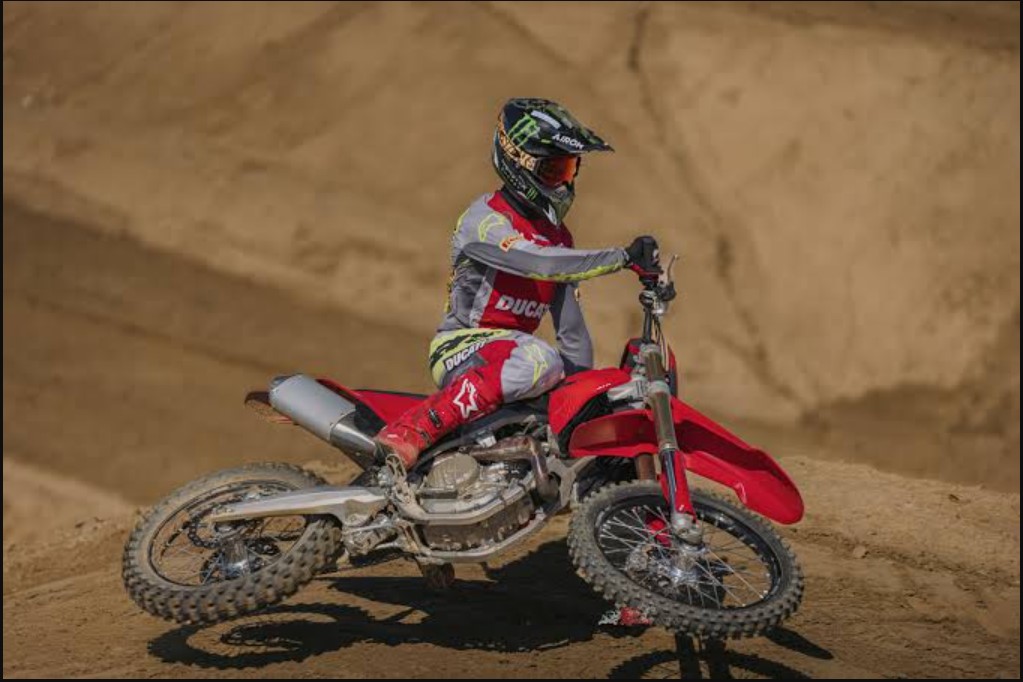
For many riders, a V-twin cruiser motorcycle is the purest expression of what motorcycling is about. It is not built to chase lap times or to impress with numbers; it is built to feel good. The engine beats with a slow, uneven rhythm, the bike sits low and long, and the whole machine seems to invite the rider to slow down and enjoy the road. That character has kept the V-twin cruiser popular for decades, and it continues to win over new riders today.
Part of the appeal is the sound. A V-twin has a distinctive beat that is easy to recognise, a deep throb that rises and falls with the throttle rather than a high-pitched scream. Riders often describe it as feeling alive, as though the engine has a personality of its own. That sound is not just for show; it is a direct result of the way the engine is built, with two cylinders arranged in a V shape and firing in an uneven pattern that gives the bike its signature pulse.
The Character of a V-Twin
The V layout gives the engine a narrow profile, which suits the long, low shape of a cruiser. The cylinders sit ahead of the rider, forming a visible part of the bike’s design rather than being hidden away, and that exposed engine becomes a central feature of the motorcycle’s look. For many owners, the appearance matters as much as the performance, and the V-twin shape has become a symbol of the cruiser style itself.
The way a V-twin delivers power is just as distinctive as the way it looks and sounds. It produces strong pulling power at low engine speeds, so the bike accelerates smoothly from a standstill without needing high revs. That makes town riding relaxed and easy, and it gives the rider a sense of effortless strength on the open road. The engine does not need to be worked hard to do its job, and that unstressed feeling is a large part of the charm.
Why the Layout Suits a Cruiser
A cruiser is designed around comfort and presence, and the V-twin fits that brief naturally. The low-revving nature of the engine matches the relaxed riding position, so the bike and the rider settle into the same unhurried rhythm. There is no urgency in the way the motorcycle moves, and that calm delivery is exactly what cruiser riders are looking for on a long journey.
The layout also suits the practical side of cruiser ownership. The engine is simple in concept and easy to understand, and routine care such as oil changes and basic checks is straightforward for owners who like to look after their own machine. A well-maintained V-twin is known for lasting a long time, and many riders keep their bikes for years, building a relationship with a machine that becomes a familiar companion on the road.
Living With a V-Twin Cruiser
Day-to-day life with a V-twin cruiser is easy. The low seat makes the bike simple to handle at junctions and in car parks, and the smooth power delivery keeps things calm in slow traffic. On longer rides, the relaxed engine note and comfortable posture mean the rider arrives feeling fresh rather than worn out. The bike is equally at home on a short evening ride and on a weekend trip along country roads.
There is also a social side to owning one. V-twin cruisers have a large and welcoming community, with clubs, rallies and gatherings where owners share stories and advice. For a new rider, that community can be a valuable source of help, from tips on maintenance to suggestions for good riding routes. The shared enthusiasm for these machines is part of what makes ownership so enjoyable.
Choosing the right V-twin cruiser starts with an honest look at how the bike will be used. A rider who mostly travels short distances in town may value a lighter machine that is easy to park and turn, while someone planning regular weekend trips may want a larger fuel tank and a more supportive seat. The best way to decide is to sit on several machines, notice how each one fits, and take a test ride that covers both slow streets and a stretch of open road. A bike that feels right in the showroom does not always feel right after an hour in the saddle, so the test ride is the part of the buying process that matters most.
Frequently Asked Questions
1. What makes a V-twin engine different from other motorcycle engines?
The difference is in the layout: two cylinders arranged in a V shape, which gives the engine its narrow profile and its distinctive uneven firing rhythm. That rhythm produces the deep sound and strong low-speed pulling power that riders associate with the design, and it suits the relaxed character of a cruiser.
2. Is a V-twin cruiser suitable for a newer rider?
It can be, as long as the rider chooses a machine of a manageable size and takes time to get used to its weight and handling. The smooth power delivery and low seat are helpful, but a test ride is important to check that the reach to the bars and the balance of the bike feel right.
3. How should I look after a V-twin cruiser?
Keep up with routine servicing, check the oil and tyre condition regularly, and clean the bike after wet rides to protect its finishes. A bike stored under cover stays in better condition, and any unusual noises or changes in the way the engine runs are worth having checked by a professional sooner rather than later.
Conclusion
The V-twin cruiser endures because it offers something no other style of motorcycle quite matches: a combination of sound, feel and presence that turns an ordinary ride into an occasion. It is a machine built for enjoyment rather than urgency, and for riders who value character and comfort, it remains one of the most satisfying ways to travel on two wheels.