
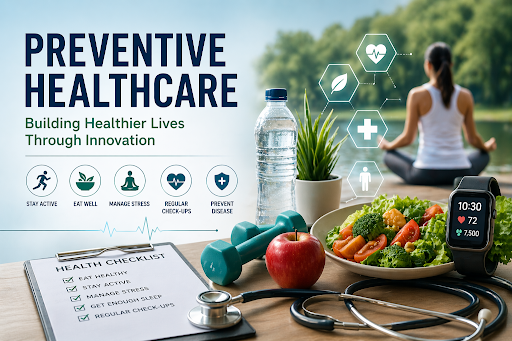
Healthcare systems around the world are undergoing a fundamental transformation. Instead of focusing solely on treating illness, there is a growing emphasis on prevention, early intervention, and long-term wellness. This shift is driven by rising healthcare costs, increased awareness of lifestyle-related diseases, and advancements in technology that allow individuals to take greater control of their health.
Preventive healthcare is no longer limited to routine checkups or vaccinations. It now encompasses a broad range of practices, from fitness and nutrition to mental health and digital monitoring tools. The goal is simple: reduce the risk of chronic disease while improving overall quality of life.
The Role of Lifestyle in Modern Health Outcomes
Lifestyle choices have become one of the most significant determinants of health. Sedentary behavior, poor diet, and chronic stress are all linked to conditions such as heart disease, diabetes, and obesity.
Healthcare providers are increasingly encouraging patients to adopt sustainable habits rather than relying solely on medication. Regular physical activity, balanced nutrition, and sufficient sleep form the foundation of this approach.
At the same time, accessibility remains a challenge. Not everyone has access to gyms, personal trainers, or structured wellness programs. This has led to a rise in home-based solutions that make it easier for individuals to stay active without major lifestyle disruptions.
Home Fitness as a Healthcare Strategy
The integration of fitness into everyday life has become a key component of preventive healthcare. Home-based exercise solutions are particularly appealing because they remove barriers such as travel time and cost.
One increasingly popular option is the use of a rebounder, which provides a low-impact way to engage in cardiovascular exercise. Unlike high-impact workouts, this method reduces stress on joints while still promoting circulation, balance, and lymphatic system function. For individuals recovering from injury or managing chronic conditions, such options can be especially beneficial.
Healthcare professionals often recommend low-impact exercises for patients who need to ease into physical activity. These solutions are not just convenient—they can also play a meaningful role in long-term health maintenance.
Technology and Personalized Health Monitoring
Digital health technologies are revolutionizing how individuals monitor and manage their well-being. Wearable devices, mobile applications, and telemedicine platforms provide real-time insights into metrics such as heart rate, sleep patterns, and physical activity levels.
These tools empower individuals to make informed decisions about their health. For example, tracking daily movement can motivate users to stay active, while sleep data can highlight areas for improvement.
Healthcare providers are also leveraging this data to deliver more personalized care. Instead of relying on occasional checkups, doctors can now monitor patients continuously and intervene earlier when issues arise.
Mental Health: A Critical Component of Wellness
Mental health is no longer viewed as separate from physical health. Stress, anxiety, and depression can have profound effects on the body, contributing to conditions such as hypertension and weakened immune function.
Preventive healthcare strategies now include mindfulness practices, counseling, and stress management techniques. Employers and healthcare organizations alike are investing in programs that support mental well-being.
Simple practices such as meditation, journaling, and regular physical activity can significantly improve mental health outcomes. By addressing both mind and body, individuals can achieve a more balanced and sustainable approach to wellness.
Economic Perspectives on Health Decisions
Healthcare is not only a personal concern—it is also an economic one. Individuals and governments alike must consider the cost implications of health-related decisions.
From a personal standpoint, investing in preventive measures can reduce long-term medical expenses. Regular exercise, healthy eating, and routine screenings may require upfront effort and resources, but they often prevent costly treatments down the line.
This concept extends to broader financial planning as well. For instance, investing in health-focused products, services, or even companies within the healthcare sector can reflect a growing awareness of wellness as both a personal and economic priority. As the demand for preventive solutions continues to rise, this intersection between health and finance becomes increasingly relevant.
Rehabilitation and Recovery Innovations
Recovery is another area where healthcare innovation is making a significant impact. Whether recovering from surgery, injury, or illness, patients now have access to a wide range of tools that support safe and effective rehabilitation.
Low-impact movement plays a central role in many recovery programs. For example, using a trampoline in controlled therapeutic settings can help improve coordination, balance, and muscle strength. When used appropriately, such methods can accelerate recovery while minimizing the risk of further injury.
Physical therapists often tailor rehabilitation programs to individual needs, ensuring that patients progress at a safe and sustainable pace. This personalized approach is essential for achieving optimal outcomes.
Nutrition as Preventive Medicine
Nutrition is one of the most powerful tools in preventive healthcare. A balanced diet provides the nutrients necessary for maintaining energy levels, supporting immune function, and reducing the risk of chronic disease.
Healthcare professionals are increasingly emphasizing whole foods, including fruits, vegetables, lean proteins, and healthy fats. At the same time, there is growing awareness of the negative effects of processed foods and excessive sugar consumption.
Personalized nutrition plans are also gaining popularity. By considering factors such as age, activity level, and medical history, individuals can create diets that support their specific health goals.
Community and Social Support in Health
Health is not experienced in isolation. Social connections and community support play a vital role in overall well-being.
Group fitness classes, support groups, and community health initiatives provide opportunities for individuals to stay motivated and engaged. These connections can also reduce feelings of isolation, which is particularly important for mental health.
Healthcare systems are increasingly recognizing the value of community-based approaches. By fostering environments that encourage healthy behaviors, they can create lasting positive change.
The Future of Preventive Healthcare
The future of healthcare lies in integration. Technology, lifestyle changes, and medical expertise must work together to create comprehensive solutions.
Artificial intelligence, advanced diagnostics, and personalized medicine are all poised to play a role in this evolution. At the same time, the importance of simple, everyday habits should not be overlooked.
Preventive healthcare is not about drastic changes—it is about consistent, sustainable actions that add up over time.
Conclusion
Healthcare is shifting toward a model that prioritizes prevention, personalization, and long-term well-being. By embracing lifestyle changes, leveraging technology, and understanding the broader economic impact of health decisions, individuals can take control of their future.
This holistic approach not only improves individual outcomes but also contributes to more sustainable healthcare systems worldwide.